Understanding Human Resource Selection and Its Role in Modern Business Design
Human Resource Selection is more than a process—it's a strategic function that shapes the workforce and, by extension, the success of an organization. In the context of business design, especially in visual communication and digital templates, the Human Resource Selection icon has emerged as a vital symbol. It represents not just a step in the hiring process but also the broader concept of aligning talent with business goals. This article explores what Human Resource Selection entails, how it compares to related practices, and when it's most effective—both as a methodology and as a visual element in modern web and graphic design.
What Is Human Resource Selection?
Human Resource Selection refers to the systematic process of identifying, evaluating, and choosing the most suitable candidates for specific job roles. It's a core function within human resource management (HRM) that involves multiple stages such as job analysis, candidate sourcing, screening, interviewing, and onboarding. The goal is to match individual skills, experience, and personality with the needs of the organization.
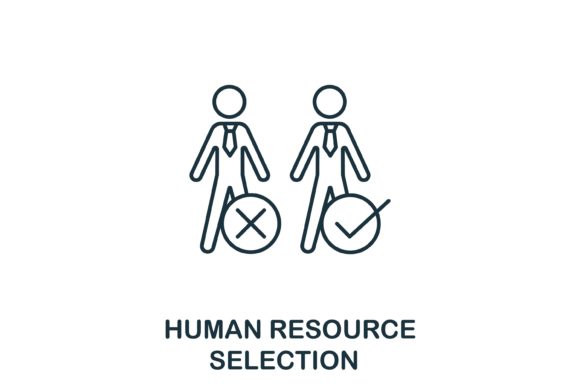
In the realm of visual design, particularly for templates, infographics, and web interfaces, the Human Resource Selection icon serves as a simplified visual cue. It communicates the idea of recruitment, talent evaluation, or team building in a universally understandable format. These icons are often part of larger global business collections, which include other HR-related visuals like hiring, training, and employee engagement.
Human Resource Selection vs. Related Concepts
It's important to distinguish Human Resource Selection from similar HR functions such as recruitment, onboarding, and talent management. While recruitment focuses on attracting potential candidates, selection is about evaluating and choosing the right fit. Onboarding, on the other hand, is the process of integrating a new hire into the company culture and workflow. Talent management encompasses the entire lifecycle of an employee, including development and retention strategies.
From a design perspective, the Human Resource Selection icon can be confused with icons representing general HR functions or recruitment. However, its distinctiveness lies in its focus on the decision-making aspect—choosing the best candidate from a pool. This makes it especially useful in contexts where the emphasis is on evaluation, comparison, and final selection.
Strengths and Tradeoffs of Human Resource Selection
One of the primary strengths of effective Human Resource Selection is that it leads to better hiring decisions. When done well, it reduces turnover, increases job satisfaction, and enhances overall organizational performance. It also ensures that the selected candidates align with the company's values and long-term goals.
However, the process can be time-consuming and resource-intensive. Organizations must weigh the cost of thorough selection processes against the potential benefits. In fast-paced industries where time-to-hire is critical, a more streamlined approach may be necessary—even if it means accepting a slightly higher risk of misalignment.
The same applies to the use of the Human Resource Selection icon. While it's a powerful visual tool, it may not always be the most appropriate symbol. For example, in a flowchart showing the entire employee lifecycle, a broader HR icon might be more suitable. The key is to match the visual with the specific stage or message being conveyed.
When to Use Human Resource Selection
Human Resource Selection is most effective in situations where the quality of the hire has a significant impact on organizational success. This includes leadership roles, specialized technical positions, and roles that require strong cultural fit. In these cases, investing in a comprehensive selection process pays off in the long run.
Similarly, the Human Resource Selection icon is best used in designs that focus on decision-making, filtering, or evaluation stages. For example, in an infographic about the hiring process, the icon could represent the final stage where candidates are compared and a decision is made. In a web template for HR software, it might symbolize a feature that allows employers to shortlist applicants based on specific criteria.
Limitations and Alternatives
Despite its benefits, Human Resource Selection isn't always the right approach. In industries with high turnover or roles that require minimal training, a more simplified hiring process may be sufficient. Additionally, over-reliance on formal selection methods can sometimes lead to missed opportunities—such as overlooking candidates who may not fit the traditional mold but have high potential.
From a design standpoint, the Human Resource Selection icon may not be appropriate in every visual context. Alternatives include icons representing recruitment, employee engagement, or talent acquisition. The choice depends on the specific message and audience. For example, a startup looking to scale quickly might use a recruitment icon to emphasize growth, while a corporate HR department might use the selection icon to highlight precision and quality in hiring.
Practical Examples and Comparisons
Consider a mid-sized tech company that needs to hire a software architect. The Human Resource Selection process would involve defining the role, sourcing candidates, conducting technical assessments, and performing in-depth interviews. The goal is to find someone who not only has the technical expertise but also fits well within the team dynamic.
In a visual presentation, the Human Resource Selection icon would be placed alongside data points such as interview scores, skill assessments, and cultural fit ratings. This helps the audience understand that the decision is based on a comprehensive evaluation rather than a single factor.
Compare this to a retail chain hiring for seasonal positions. Here, the selection process might be much simpler—focusing on availability, basic skills, and punctuality. In this case, a recruitment icon or a general HR icon might be more appropriate both in practice and in visual representation.
Decision Factors to Consider
Whether you're implementing Human Resource Selection in practice or using the Human Resource Selection icon in design, several factors should guide your decision:
- Complexity of the role: Higher complexity often requires more rigorous selection.
- Organizational culture: Roles that require strong cultural alignment benefit from detailed selection criteria.
- Time and budget constraints: Some selection methods are resource-intensive and may not be feasible for all positions.
- Visual context: Ensure the icon matches the stage or concept being illustrated.
Additionally, consider the format in which the icon will be used. The Human Resource Selection icon is typically available in vector formats like EPS, making it scalable for both print and digital use. JPG files are also useful for quick integration into presentations and websites. The ease of editing and use is a key advantage, especially for designers working across multiple platforms.
Conclusion-Like Summary
Human Resource Selection plays a crucial role in shaping effective teams and driving organizational success. It's a deliberate process that requires careful planning and execution. At the same time, the Human Resource Selection icon serves as a valuable visual tool in modern design, helping to communicate complex ideas in a simple, recognizable format. Whether you're managing talent or creating business templates, understanding when and how to apply these concepts can make a significant difference in outcomes.
Ultimately, the right approach depends on your specific needs, resources, and goals. By evaluating the strengths, limitations, and alternatives of Human Resource Selection—both as a practice and as a visual element—you can make more informed decisions that align with your organization's mission and design requirements.